
our craft
Our craft is centered around careful construction, durable materials and attention to proportion. Each Nota journal is shaped through a hands-on process that focuses on structure, balance and everyday usability - from the selection of vegetable-tanned leather to the finishing details that define the final piece.
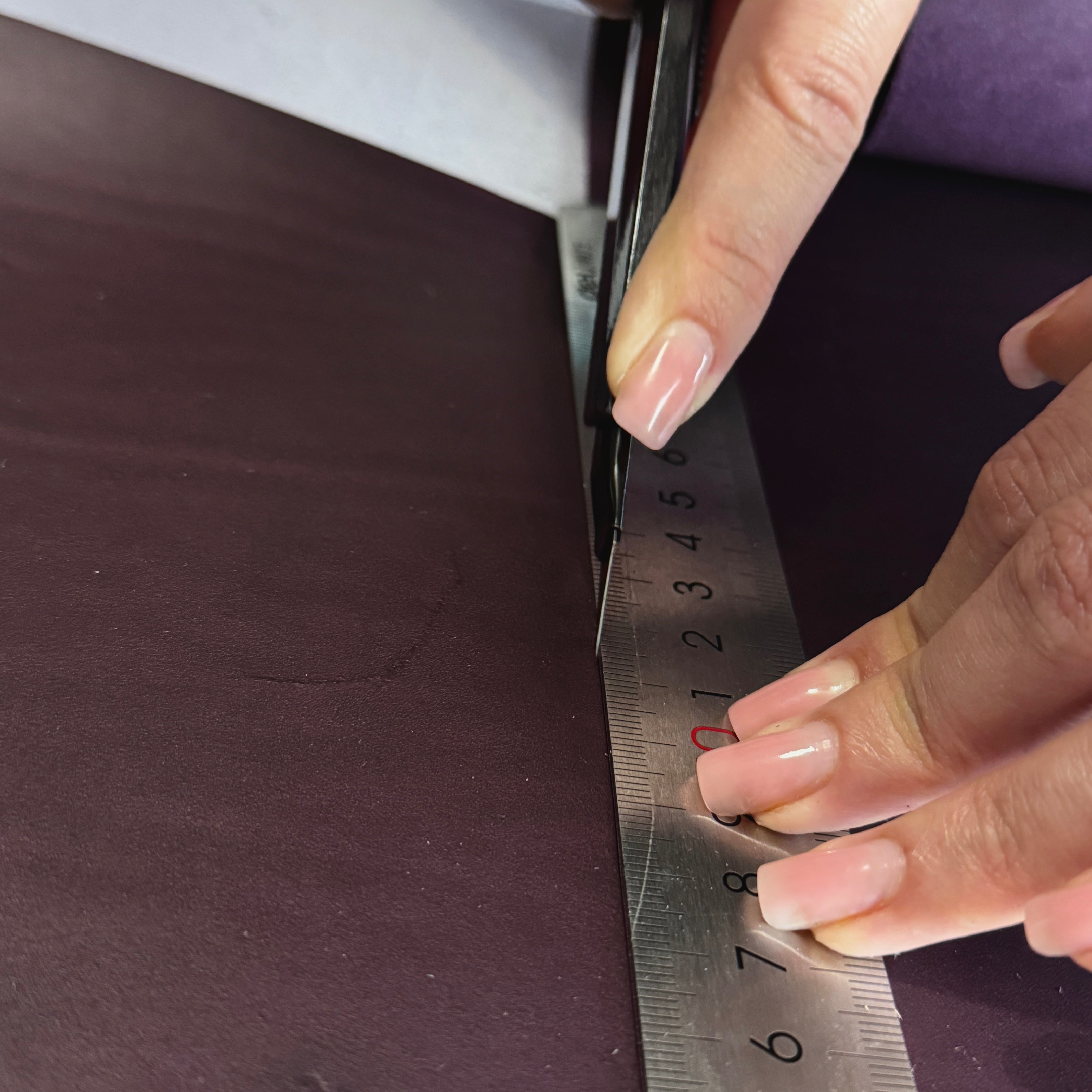
A careful approach to making
Each Nota journal is designed with attention to proportion, structure and material.
It is shaped as a writing object that feels balanced and comfortable to use over time.
From the choice of vegetable-tanned leather to the creasing detail that frames the cover, each element supports everyday use while maintaining a clear and controlled design.
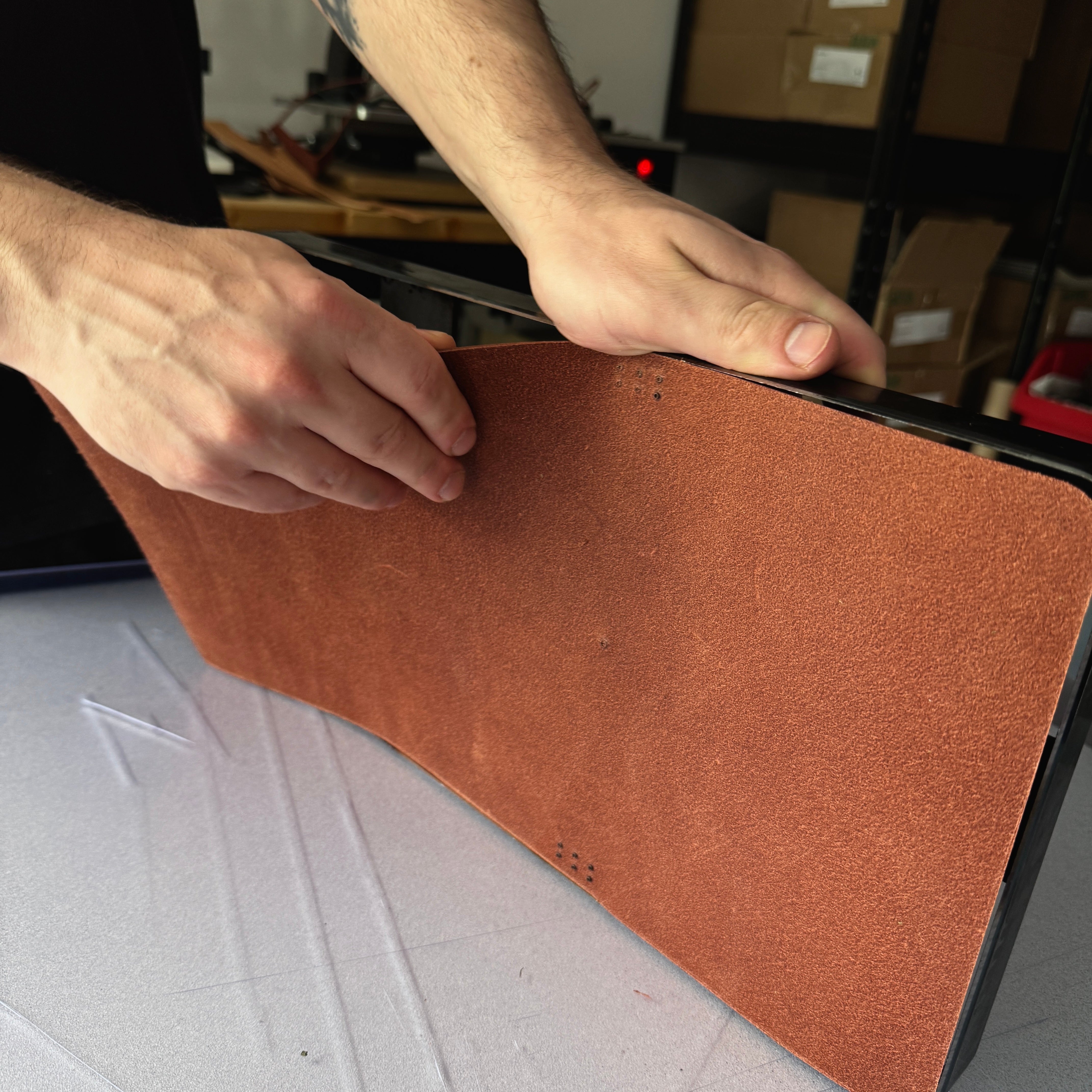
How each journal takes shape
The process begins with selecting vegetable-tanned leather chosen for its structure and natural character.
Each cover is then cut, shaped and prepared to maintain clean lines and a balanced form.
The focus remains on consistency - ensuring that every journal feels solid, well-proportioned and reliable in use.
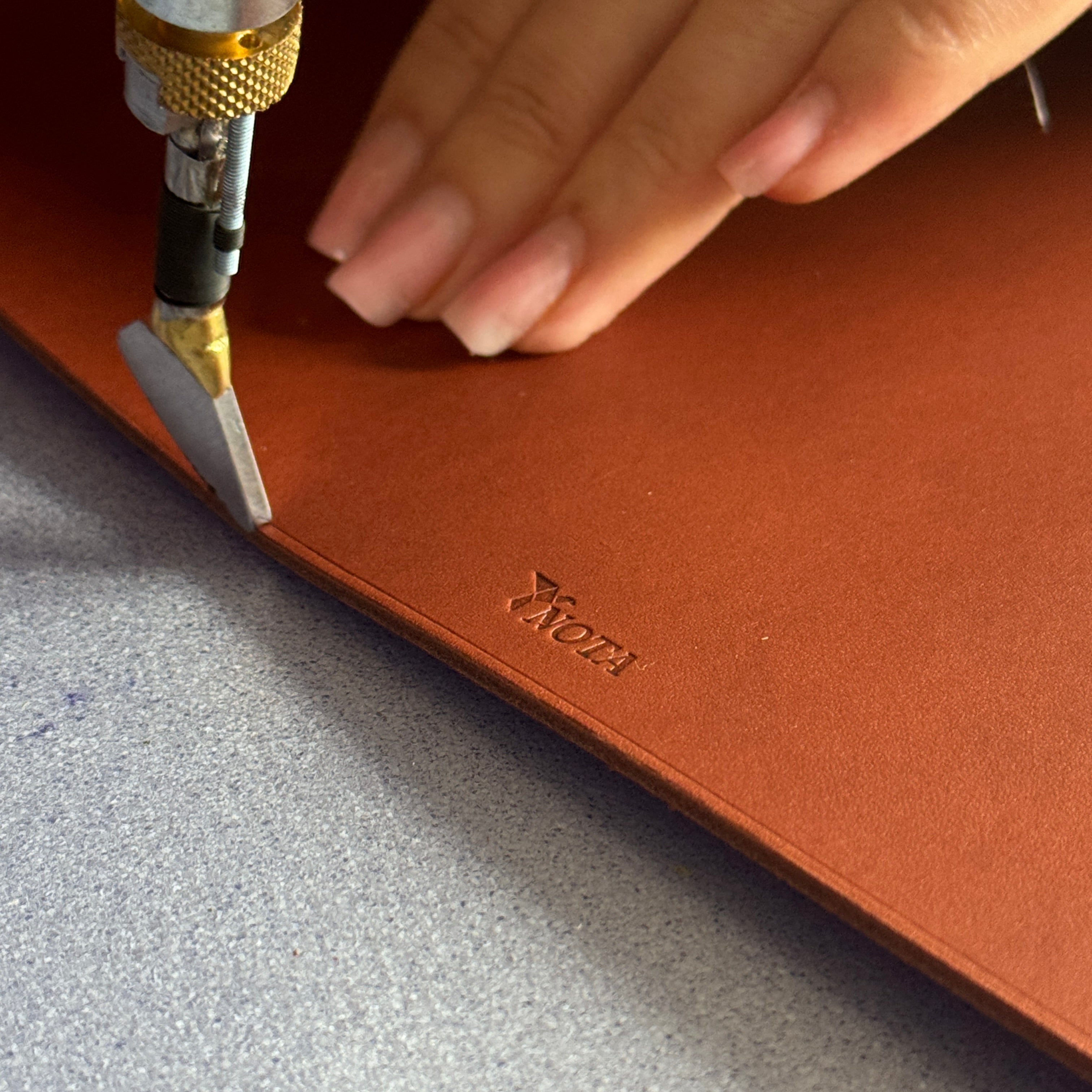
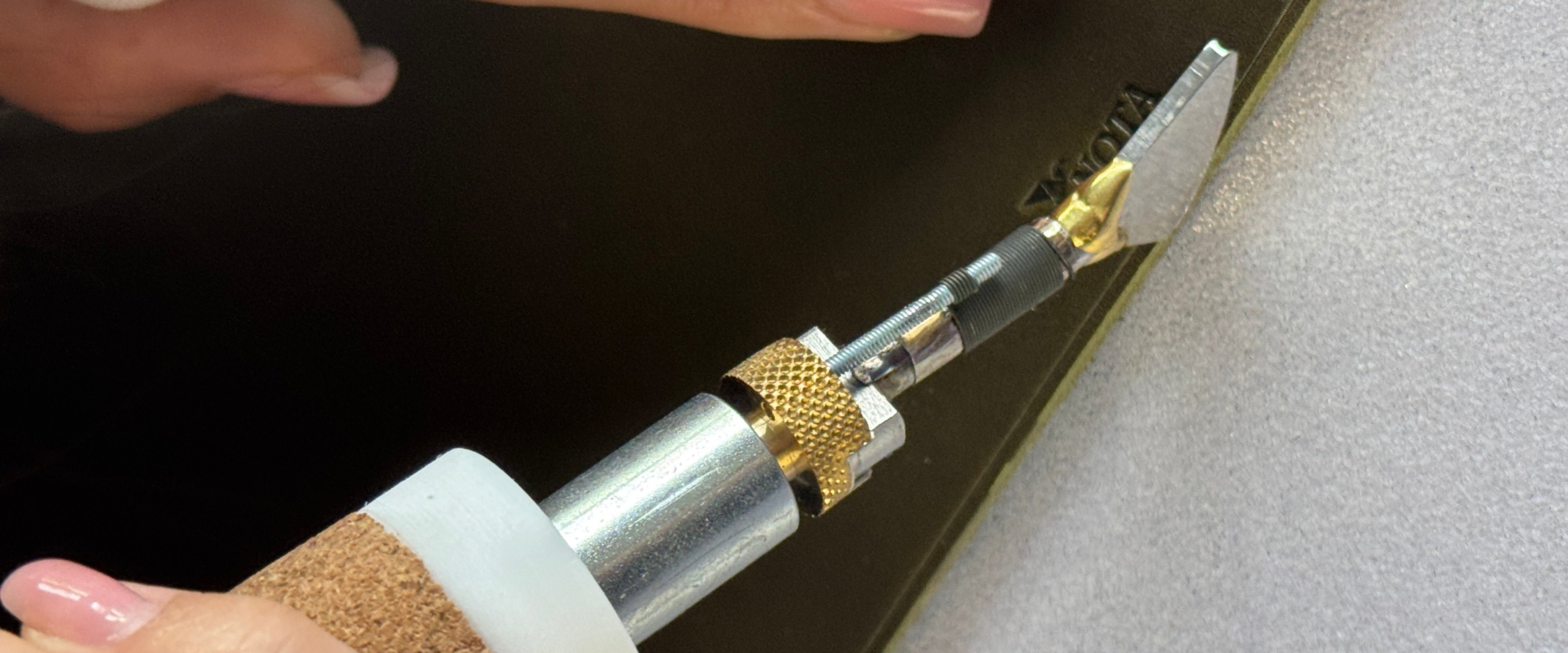
The creasing line
One of the defining details of Nota journals is the creasing line that runs along the cover.
The leather is pressed to create a clean, controlled line that frames the journal and adds visual structure. This detail helps define the proportions of the cover while keeping the overall design precise and balanced.
At the same time, during the creasing process the leather fibres are gently compressed along the edge. This compaction stabilises the material and helps prevent the edge from becoming rough with use.
Carefully selected materials
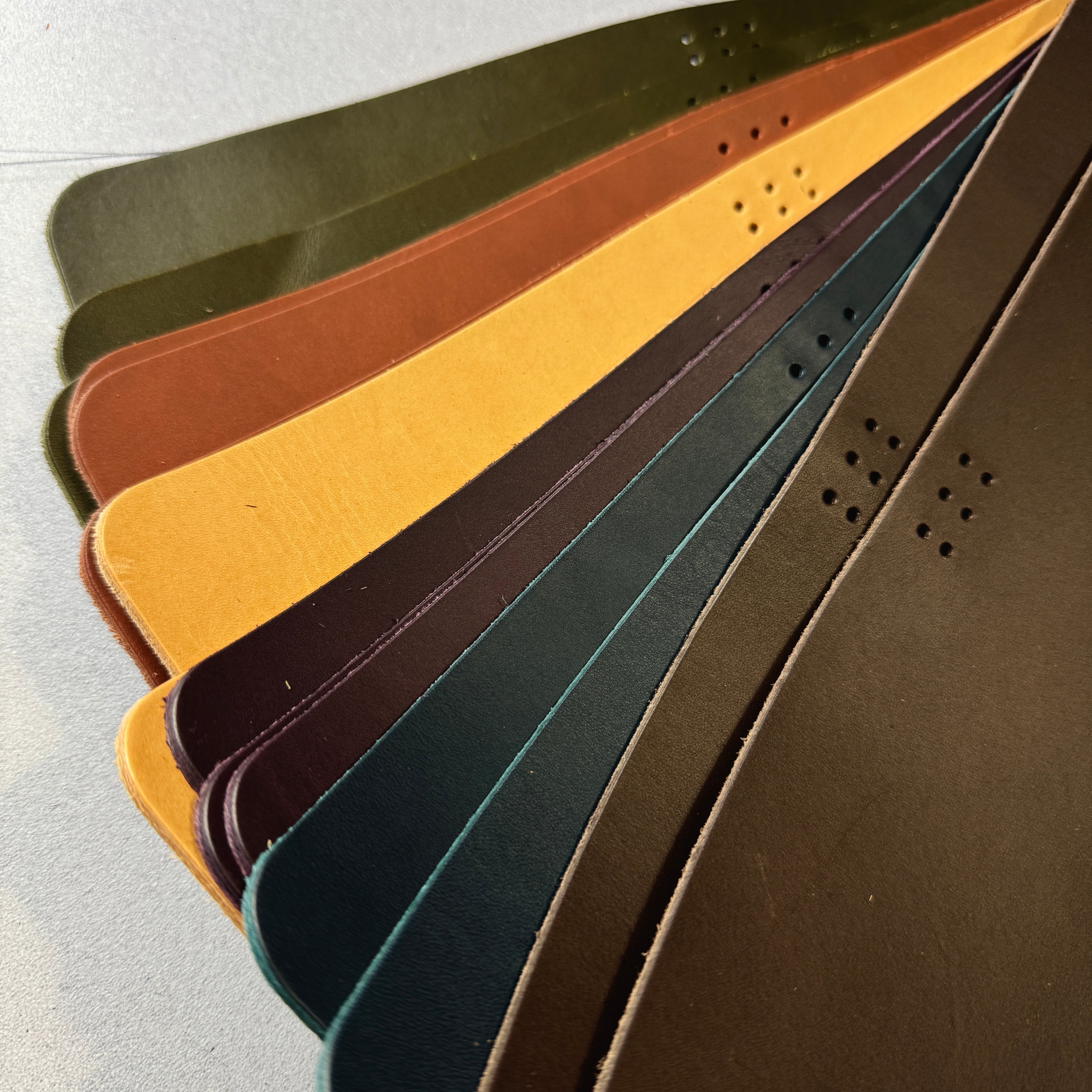
The leather used in Nota journals comes from Tuscan tanneries that follow traditional vegetable-tanning methods based on natural tannins.
Inside the journal we use Munken Pure cream paper, produced in Sweden by Arctic Paper. The paper has a warm natural tone, a smooth writing surface and good opacity, making it suitable for a wide range of writing tools.
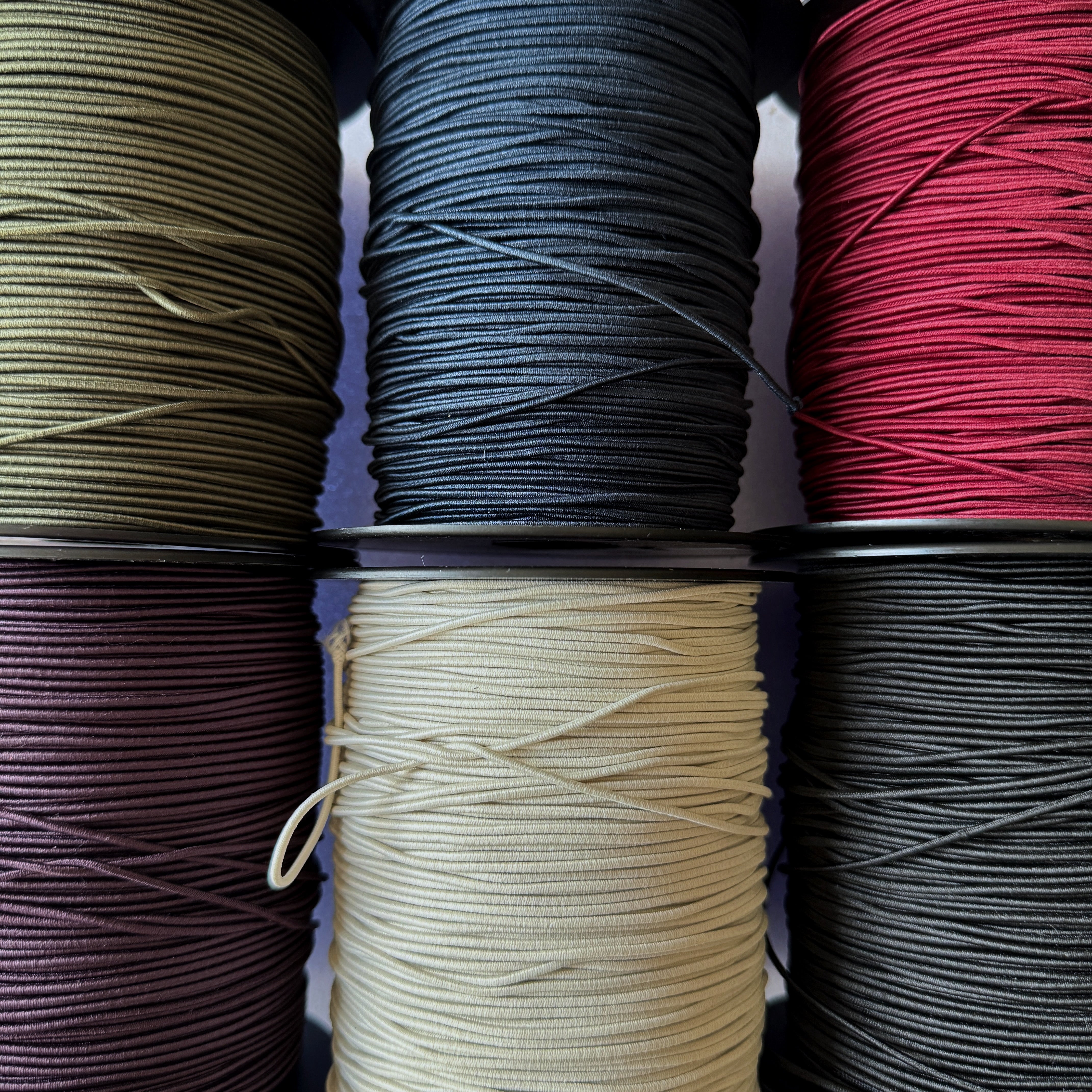
Other components are chosen with the same care, including the elastic cord produced by a historic French manufacturer with more than a century of textile expertise. Our embossing materials come from a well-established British company specialized in hot foil and embossing supplies, while many of the tools used in our workshop are sourced from French, Korean and Japanese manufacturers with long-standing experience in leathercraft.
Each material is chosen to ensure durability and consistency over time.
Made in small batches
Producing journals in small batches allows attention to remain on the details that influence how the journal feels and performs in use.
Each batch is completed gradually, with the leather selected carefully and every cover checked throughout the process. Edges, creasing lines and construction details are inspected before the journal is finished.
This approach helps maintain consistency in structure, finishing and overall quality while preserving the character of a small
workshop.

Built for years of use
Nota journals are designed to remain useful over time. The refillable system allows notebooks to be replaced as they fill, while the leather cover continues to develop character through daily use.
With time, vegetable-tanned leather becomes softer and gains a deeper tone, with subtle marks that reflect how the journal has been handled.
Rather than being replaced, the journal becomes more familiar and personal the longer it is used for everyday notes, plans and ideas.